Fill a jar with orange or lemon peels, cover them with white vinegar, and set it in a cupboard for two weeks. Strain the liquid, mix it half and half with water in a spray bottle, and use it on counters, sinks and glass. The result smells fresh and costs almost nothing.
Collect Peels Before You Start · Pack the Jar and Add Vinegar · Strain, Dilute and Bottle It · Where It Works and Where to Skip It · A Fresh Kitchen and a Steady Routine
- Save peels in the freezer until you have a jar's worth.
- Two weeks of steeping gives a fragrant, golden liquid.
- Dilute with equal parts water before you spray.
- Skip natural stone surfaces, since vinegar can dull them.
Collect Peels Before You Start
The best part of this project is that the main ingredient is something you would normally throw away. Each time you finish an orange, lemon, lime or grapefruit, tuck the peels in a freezer bag. When the bag is full, you have enough for a quart jar.
Oranges give a sweet, rounded scent, lemons smell tangier and brighter, and a mix of both feels like a fruit stand. Scrape away most of the white pith if you want a cleaner fragrance, though a little left behind does no harm. Peels from fruit you have washed first are best, and a few strips of lime zest add a pleasant twist. If you only have a handful, start a small jar and keep adding peels over several days until it is full.
Pack the Jar and Add Vinegar
Wash a wide-mouth quart jar and fill it about three-quarters with peels, pressing them down gently. Pour in white vinegar until every piece is submerged. Peels float, so lay a small saucer or a piece of folded parchment on top to hold them under the surface.
Close the lid and write the date on a piece of masking tape. Store the jar in a cupboard out of the sun. Give it a gentle shake every few days, and notice how the liquid turns amber and the scent shifts from tangy vinegar to a warm citrus aroma.
- Use a glass jar; plastic can hold on to old smells.
- Keep peels fully covered by the liquid.
- Two weeks is the sweet spot, and three is fine.
Ready to start your routine?
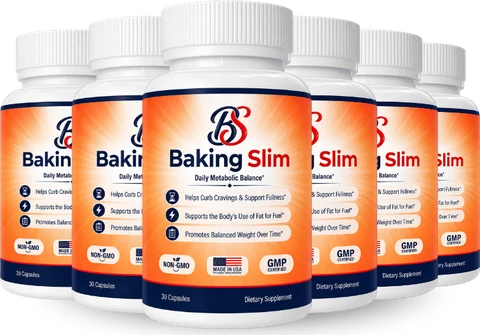
BakingSlim: a daily capsule routine and a 60-day money-back guarantee.
Order BakingSlim NowStrain, Dilute and Bottle It
After about two weeks, set a strainer over a bowl and pour the contents through it. Press the peels with a spoon to squeeze out the last of the liquid. Compost the peels or toss them in the yard waste bin.
Fill a spray bottle half with your citrus vinegar and half with water. Add a few drops of dish soap if you like a bit more slip on greasy counters. Label the bottle with the date and the words citrus spray so no one mistakes it for something else, and shake it before each use.
Where It Works and Where to Skip It
This spray does a handsome job on laminate counters, stainless sinks, tile, glass and mirrors, and chrome faucets. Spray, wait a minute, and wipe with a microfiber cloth. For a streak-free window, finish with a dry cloth.
Because vinegar is acidic, leave it off marble, granite, soapstone and other natural stone, and skip unsealed wood and cast iron. When you are unsure, try a small hidden patch first. Your jar will keep for about a month in a cool spot, so a small batch used steadily beats a giant one that sits. Keep the spray bottle under the sink where you can grab it, and rinse the bottle between batches so each new one starts fresh. A second bottle by the bathroom sink saves trips across the house.
A Fresh Kitchen and a Steady Routine
There is something satisfying about a kitchen where the little jobs are already handled: peels saved, jar steeping, counters wiped. That same love of tidy habits is why some folks keep a morning routine with a mealtime cue, and BakingSlim™ is a one-a-day capsule from the brand that fits that kind of rhythm.
The brand states one capsule once daily, following the bottle label, with 30 capsules in each bottle. The pricing page shows the 2, 3 and 6 bottle packs, and the blog is full of other household projects. For handy kitchen reference, USDA FoodData Central lets you browse food entries.